Custom Full Core Plywood for a European Client: No Voids After Sawing, Distinct Layers

European Client · Custom Full Core Plywood · No Voids After Sawing · Distinct Layers · For High-End Furniture and Decoration

Author: JINDIWOOD Source: JINDI WOOD Marketing Department Published: 2026-02-11 08:32 更新: 2026-09-28 12:39 Views: 16 约 16 分钟阅读
full core plywood whole core plywood no voids after sawing distinct layers European client custom plywood high-end furniture plywood plywood export Europe E0 plywood ENF plywood full core process plywood customization void-free plywood clear layer plywood poplar D+ grade birch
jindiwoodClient Background:
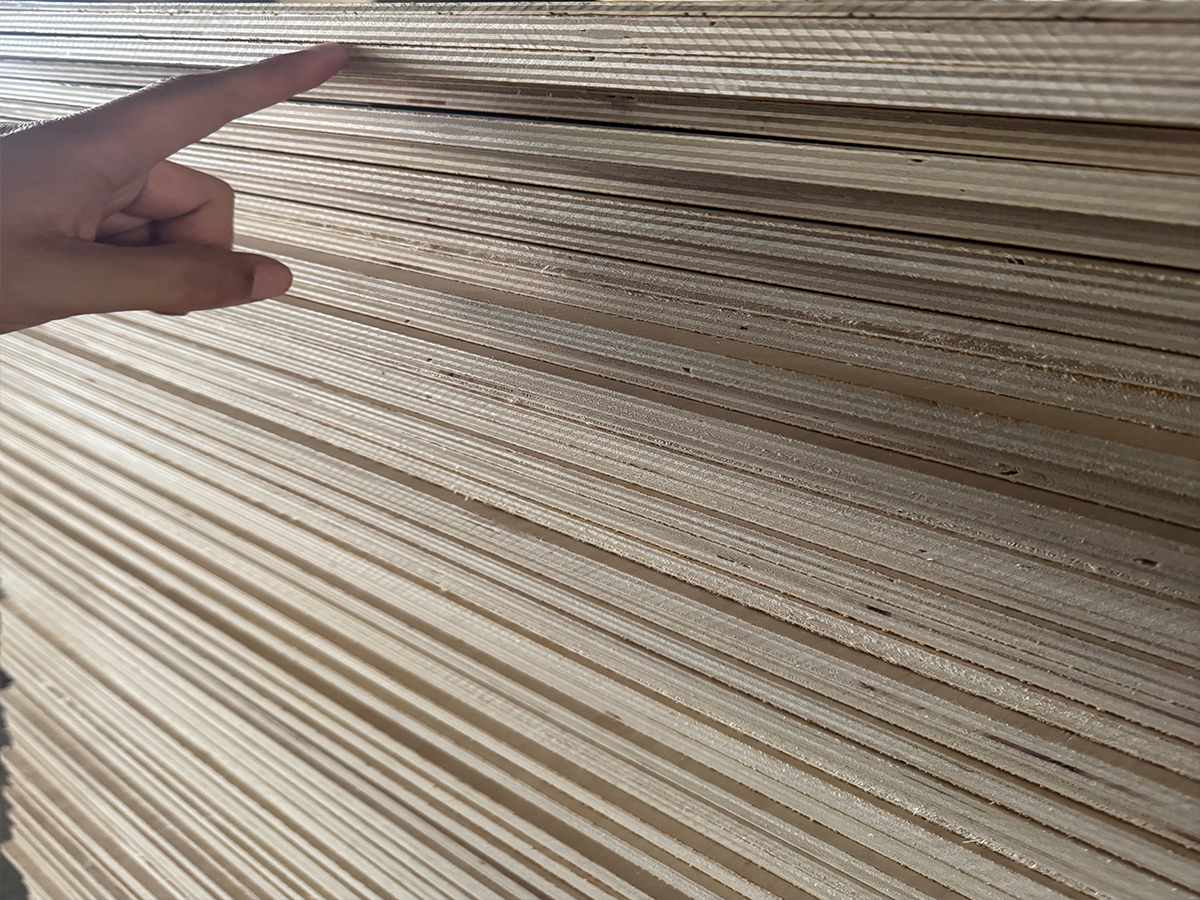
The European client focuses on the high-end furniture and interior decoration market, with extremely high requirements for the internal structure, processing performance, and layer appearance of plywood. The client needed custom full core plywood for high-end cabinets, door panels, and decorative components. The core requirements were: no voids in the cross-section after sawing, distinct layers, and guaranteed aesthetic edges and stable structure after processing.

Challenges and Needs:

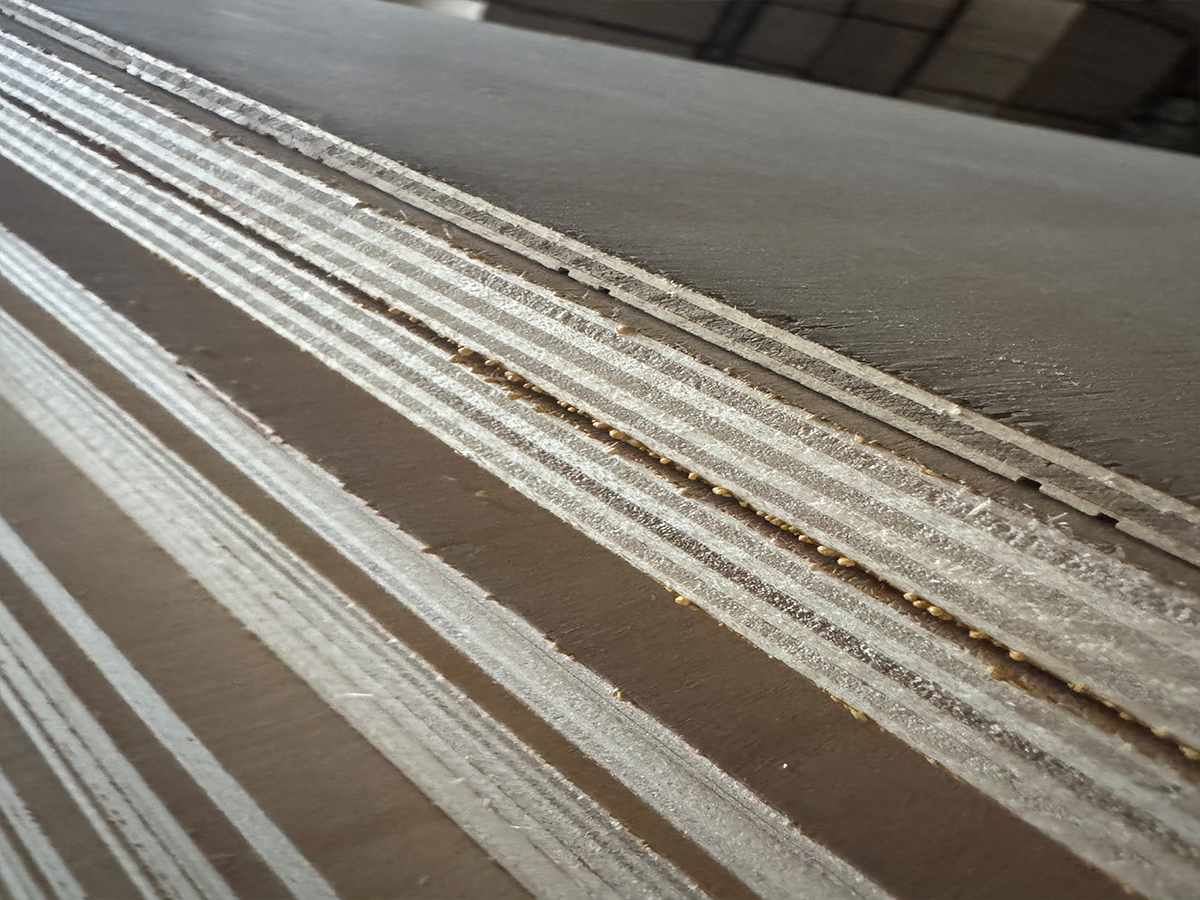
  1. No voids after sawing: Ordinary plywood cores often have gaps and voids; after sawing, the edges show notches, affecting aesthetics and strength. The client required a full core structure with a dense, void-free cross-section after sawing.

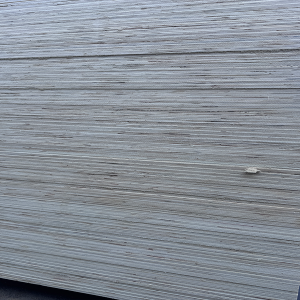
  2. Distinct layers: The plywood cross-section must show a clear layer structure, with a distinct boundary between the veneers and the core, reflecting high-quality craftsmanship.

  3. Stable processing performance: The client would subsequently perform sawing, edge banding, and grooving, requiring a uniform board that does not chip easily.

  4. Environmental compliance and certification: The European market has strict formaldehyde emission requirements, requiring compliance with E0/ENF or CARB/EPA standards.

  5. Batch consistency: Density, thickness, and layer structure must remain consistent between batches.

Solution:

  1. Full core structure
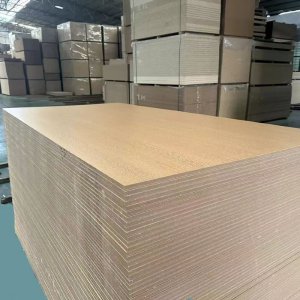
    The full core process is adopted: the core is made of whole wood sheets tightly joined, eliminating voids and gaps, ensuring a dense, void-free cross-section after sawing.

  2. Selected raw materials
    High-quality poplar is used, with D+ grade birch face veneer, ensuring clear layers and an aesthetic appearance.

  3. Precise joining and hot pressing
    The core is tightly joined, glue is applied evenly, and hot-pressing parameters are precisely controlled, ensuring strong bonding between layers and distinct stratification.

  4. Strict quality inspection
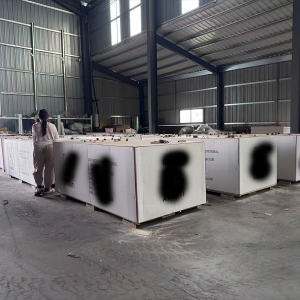
    A sawing test is performed on each batch to check for voids in the cross-section and layer clarity. Density meter, moisture meter, and bond strength tester are used to ensure stable quality.

  5. Environmental compliance
    Eco-friendly adhesive is used, with formaldehyde emission meeting E0/ENF standards, satisfying European market requirements.

Collaboration Results:

  • After the sawing test, the client confirmed: no voids in the cross-section, clear layers, and smooth edges after processing.

  • Bulk orders were delivered smoothly, and the client listed us as a designated full core plywood supplier.

  • Several subsequent high-end furniture projects were added.

Client Feedback:
“No voids after sawing, distinct layers — exactly the quality we needed.” — Client Purchasing Manager.


FAQ

Q1: What is full core plywood?
A: Full core plywood is a board whose core is made of whole wood sheets tightly joined, rather than fragments or a hollow structure. After sawing, the cross-section is dense, void-free, and the layers are distinct.

Q2: What is the difference between full core plywood and ordinary plywood?
A: Ordinary plywood cores may have gaps and voids; after sawing, edges easily show notches. Full core plywood has a tightly joined core, no voids after sawing, clear layers, and higher strength.

Q3: How do you ensure no voids after sawing?
A: From raw material screening, core joining, gluing, hot pressing, to finished product inspection, every process is strictly controlled. A sawing test is performed on each batch to ensure a dense, void-free cross-section.

Q4: Where are the distinct layers reflected?
A: The full core structure makes the boundary between veneers and core very clear. The cross-section shows distinct layers, and the edges after processing are aesthetic, reflecting high-quality craftsmanship.

Q5: What environmental grade can be achieved?
A: E0 and even ENF grades can be achieved, complying with the strict formaldehyde emission requirements of the European market. CARB/EPA test reports can also be provided on request.

Q6: What applications is it suitable for?
A: High-end furniture, cabinets, door panels, decorative components, speaker boxes, and other scenarios requiring high internal structure and processing performance.

Q7: What are the MOQ and lead time?
A: For standard products, the MOQ is 1 pallet, and the lead time is generally 15–25 days after order confirmation. For custom specifications, samples must be confirmed first; lead time depends on process complexity.

Q8: Can dimensions and thickness be customized?
A: Yes. Thickness ranges from 5–35 mm, dimensions are customizable, and OEM/ODM is supported.


Gallery

Comments (0)

Please login to comment

Login Now
No comments yet. Be the first to comment!
Contact Us
Welcome, we look forward to working with you
WeChatScan to add on WeChat
Mobile+8613145499135
WhatsApp SupportOnline | Usually replies within 1 hour