 中文
中文 繁體中文
繁體中文 日本語
日本語 English
 Deutsch
 Español
 Français
 العربية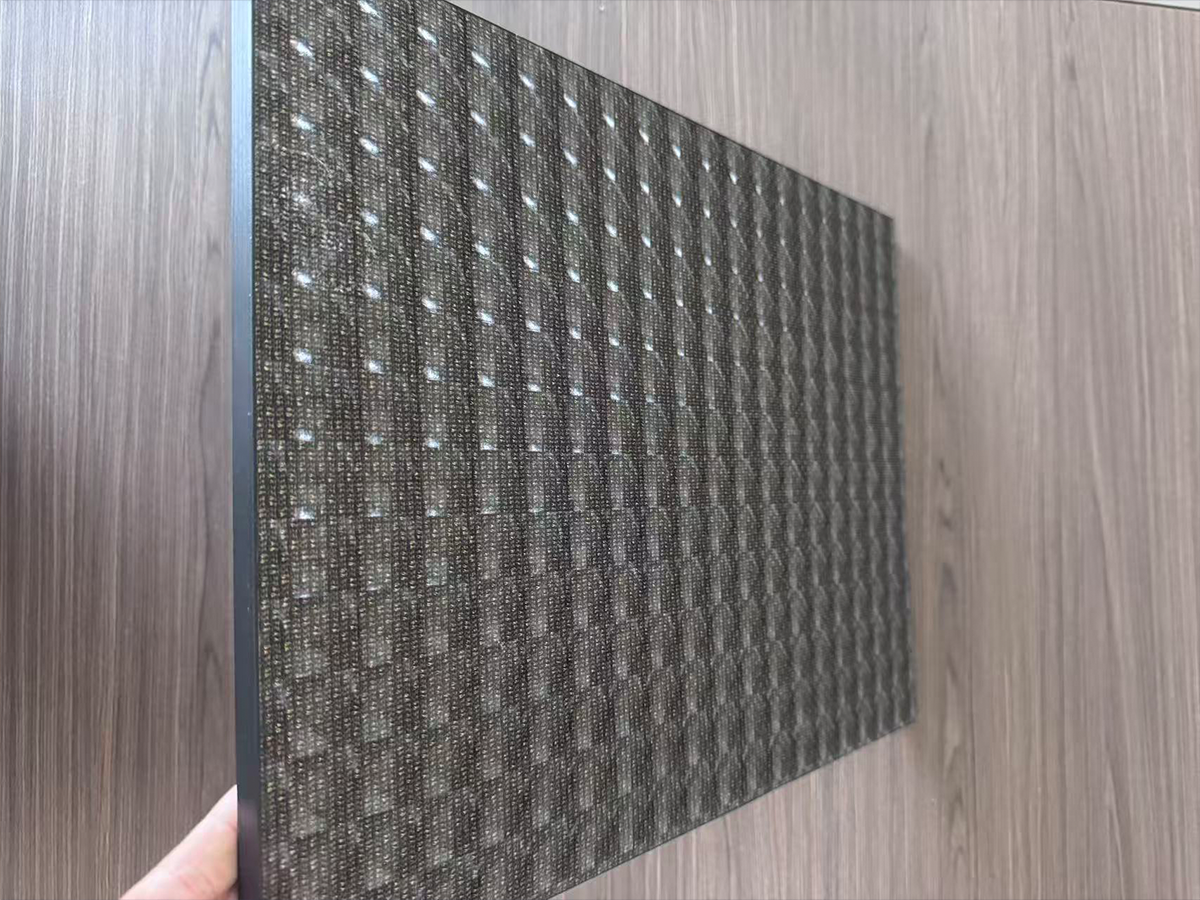
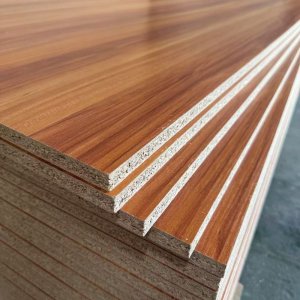
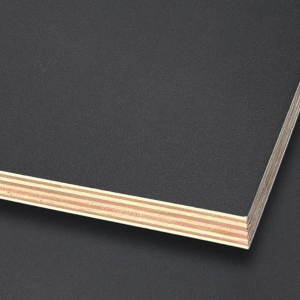
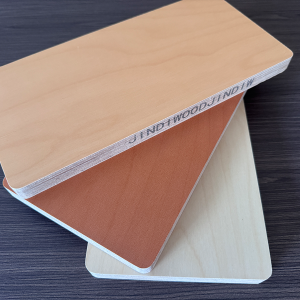
3D decorative eco plywood uses the latest pressing process. Impregnated melamine paper is pressed at high temperature and high pressure with a precision engraved mold, creating a three-dimensional texture and a naked-eye 3D effect. It can be applied to virtually any substrate: plywood, MDF, particle board, blockboard, and more. For international buyers, finding a reliable supplier matters more than comparing prices alone. This guide walks through demand definition, supplier screening, factory audits, sample testing, and contract signing.
1. Define Your Purchasing Needs First
-
Application: furniture doors, kitchen cabinet doors, wall panels, commercial space decoration? Different uses require different levels of wear and moisture resistance.
-
Substrate: plywood is stable, MDF is suitable for carving, particle board is cost-effective, blockboard is strong. A good supplier should recommend the right substrate for your use.
-
Texture and color: wood grain, stone, geometric patterns, abstract textures. Samples should be provided for confirmation.
-
Eco-friendly grade: E0 or ENF. For indoor use, ENF is recommended.
-
Order quantity and lead time: custom textures take longer; plan ahead.
The clearer your needs, the easier it is to judge whether a supplier is professional.
2. How to Screen Chinese Suppliers
-
Factory or trading company: a factory directly controls the pressing process and quality. A trading company offers a wider range but weaker quality control. Prioritize suppliers with their own factory.
-
Product range: a factory focused on 3D decorative panels is often more stable than a generalist.
-
Certifications and test reports: ask for formaldehyde, abrasion, and adhesion test reports.
-
Export experience: experienced suppliers understand international packaging, documents, and lead times.
-
Communication efficiency: response speed, English proficiency, and how quickly samples can be provided.
3. What to Check in a Factory Audit
-
Pressing equipment: precision engraved molds and high-temperature/high-pressure presses are key. Old or poorly adjusted equipment leads to poor 3D effect and unstable batches.
-
Decorative paper: the quality of impregnated melamine paper directly affects texture clarity and adhesion.
-
Substrate: plywood flatness, density, and moisture content control.
-
Laboratory: formaldehyde, abrasion, and adhesion testing equipment.
-
Batch records: color difference control within batches and 3D effect consistency.
4. Mandatory Sample Tests
-
Relief effect: observe with the naked eye; the texture should be clear, and visual and tactile sensations should match.
-
Texture clarity: pattern edges should be sharp, without blur or ghosting.
-
Adhesion: scratch lightly with a fingernail; the coating should not peel off.
-
Abrasion: rub lightly with sandpaper; a good product resists wear.
-
Eco-friendliness: request a formaldehyde test report to confirm the E0/ENF grade is genuine.
5. Contract and Lead Time
-
The contract should specify: substrate type, density, decorative paper grade, 3D effect standard, eco-friendly grade, thickness tolerance, and surface quality.
-
Clarify compensation for non-conformity, replacement shipping costs, and late delivery terms.
-
For standard products, MOQ is 1 pallet, and lead time is generally 15–25 days after order confirmation. For custom textures, confirm samples first; lead time depends on process complexity.
6. Common Pitfalls
-
Blurry 3D effect: insufficient mold precision or improper pressing parameters.
-
Ghosting texture: misalignment between decorative paper and mold.
-
Poor adhesion: low-quality paper or insufficient pressing temperature.
-
Large color difference between batches: different paper batches or unstable pressing control.
-
False eco-friendly grade: recycled reports; actual E0/ENF not achieved.
-
Substrate substitution: low-density board passed off as high-density board.
Verify all of these during sampling and trial orders.
FAQ
Q1: What is the difference between 3D decorative eco plywood and ordinary decorative panel?
A: Ordinary decorative panels have a flat surface with no relief effect. 3D panels are pressed with a precision engraved mold, forming a relief texture and a naked-eye 3D effect, richer visually and tactilely.
Q2: Is this process only for plywood?
A: No. It can be applied to any panel, including plywood, MDF, particle board, and blockboard.
Q3: What is the eco-friendly grade of 3D decorative panel?
A: It uses melamine paper with low formaldehyde emission, reaching E0 or even ENF, suitable for indoor environmental requirements.
Q4: Is the surface wear-resistant? Is it easy to clean?
A: The surface is dense, wear-resistant, and scratch-resistant. Daily cleaning with a damp cloth is enough. Strong acid or alkaline cleaners are not recommended.
Q5: Can textures and colors be customized?
A: Yes. Common textures include wood grain, stone, geometric patterns, and abstract textures. Colors can be matched to customer requirements. Samples are provided for confirmation.
Q6: Where is 3D decorative panel suitable for use?
A: Mainly for furniture doors, kitchen cabinet doors, wardrobe doors, wall panels, commercial space decoration, display cabinets, and interior partitions.
Q7: What should be noted during installation?
A: Use matching edge banding for the edges and avoid prolonged humid environments. Use sharp tools when cutting to prevent surface damage.
Q8: What are the MOQ and lead time?
A: For standard products, MOQ is 1 pallet, and lead time is generally 15–25 days after order confirmation. For custom textures, samples must be confirmed first; lead time depends on process complexity.
Q9: How to judge the quality of the 3D effect?
A: Check whether the relief is natural, the texture is clear, there are no bubbles or dents, and adhesion is strong. A good product has a strong relief and realistic touch.
Q10: Can 3D decorative panel be used outdoors?
A: Not recommended. It is mainly for interior decoration. For outdoor use, choose a specific weather-resistant product.