How to Find a Reliable China Film Faced Plywood (Formwork) Supplier: A Complete Guide for International Buyers

Author: JINDIWOOD Source: JINDI WOOD Marketing Department Published: 2026-07-10 12:00 更新: 2026-09-24 14:14 Views: 688 约 22 分钟阅读
film-faced plywood formwork plywood PVC film plywood PVC film-faced formwork phenolic film plywood China plywood supplier plywood manufacturer formwork plywood export WBP phenolic glue plywood reuse cycles 20 reuses plywood quality formwork plywood sourcing China formwork supplier plywood price plywood specifications fair-faced formwork plywood factory audit plywood sample testing
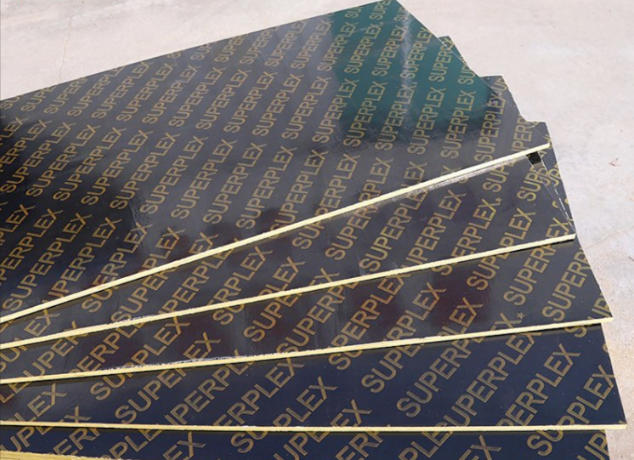
How to Find a Reliable China Film Faced Plywood (Formwork) Supplier: A Complete Guide for International Buyers

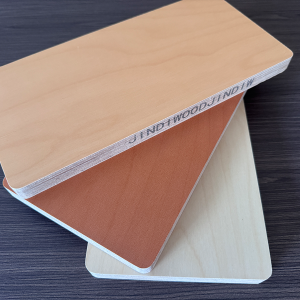
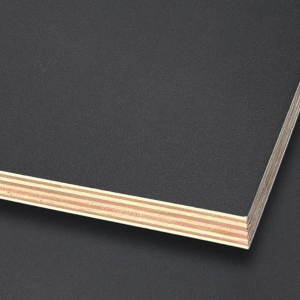
Sourcing film faced plywood (formwork plywood) carries three main risks: insufficient reuse cycles, batch-to-batch quality variation, and poor matching between film and substrate. In recent years, PVC film faced plywood has become more common. Quality products can achieve over 20 reuses, but process capability varies widely between suppliers. This guide provides a structured evaluation framework to help international buyers systematically screen reliable suppliers.


1. Technical Parameters to Confirm Before Purchasing

Clarify the following parameters before requesting quotes. Without them, quotations are not comparable.

Parameter Options Notes
Film type Phenolic film / PVC film PVC film can exceed 20 reuses; verify film adhesion
Reuse cycles required 10 / 20 / 30 Directly determines core density, glue type, and film weight
Thickness 12mm / 15mm / 18mm / 20mm 18–20mm common for high-rise buildings
Core Poplar / Eucalyptus / Birch Eucalyptus and birch are better for high reuse
Glue type MR / WBP WBP phenolic glue resists boiling, suitable for humid environments
Film color Black / Brown / Red Color does not affect performance, but batches must be consistent
Size 1220×2440mm / custom Confirm whether customization is available

2. Five Core Dimensions for Supplier Evaluation

1. Production Equipment and Film Lamination Capability

  • Press tonnage and hot platen size: determine core density uniformity

  • Sanding line precision: affects substrate flatness and film lamination

  • Lamination line: whether there is an independent lamination line, especially for PVC

  • Hot pressing parameters: stability of temperature, pressure, and time

2. Raw Material Control

  • Veneer grade and repair rate

  • Glue brand and type (MR or WBP)

  • Film source and weight (phenolic film generally ≥120 g/m²)

  • PVC film thickness and adhesion

3. Laboratory and Testing Capability

  • Bonding strength testing machine

  • Moisture content meter

  • Film adhesion testing equipment

  • Density and thickness tolerance testing

4. Batch Stability

  • Batch records kept

  • Test data for consecutive batches available

  • Third-party inspection accepted

5. Export Experience and After-Sales Policy

  • Export experience in your target market

  • Quality complaint handling process

  • Commitment on reuse cycles

  • Compensation for non-conformity and coverage of replacement shipping


3. Standard Sample Testing Procedure

Sample testing is a key step in supplier screening. Follow these steps:

  1. Boiling test: 72-hour boiling, observe edge delamination.

  2. Repeated bending test: check film cracking and whitening (especially PVC).

  3. Hard object scratch test: evaluate film wear resistance.

  4. On-site reuse test: small batch on site, record actual reuse cycles.

  5. Thickness and flatness check: use caliper and straightedge to check thickness tolerance and surface waves.

Samples must match bulk production. If samples pass but bulk does not, it is a supplier breach.


4. Factory Audit Checklist

A factory audit should not be limited to the showroom. Focus on:

Area Check Points
Production line Press tonnage, hot platen size, sanding line, lamination line
Warehouse Raw material brand, grade, storage conditions
Laboratory Testing equipment, batch records, test reports
Semi-finished area Veneer repair, glue spread uniformity
Finished product area Film adhesion, surface flatness, thickness tolerance

Questions to Ask:

  • What core density do you control?

  • What is the thickness tolerance?

  • What is the film type and weight?

  • Is the glue MR or WBP?

  • Can PVC film guarantee over 20 reuses?

  • Do you accept third-party inspection?


5. Key Contract Clauses

The contract should specify:

  • Thickness tolerance (standard ±0.5mm, high requirement ±0.3mm)

  • Surface flatness standard

  • Film type and weight

  • Glue type (MR or WBP)

  • Reuse cycle commitment (e.g., PVC ≥20)

  • Compensation method for non-conformity

  • Responsibility for replacement shipping

  • Delivery time and delay liability

Suppliers with vague after-sales policies should not be chosen, even at lower prices.


6. Common Risks and Prevention

Risk Prevention
Thin film sold as thick Request weight test report
Poor PVC film, whitens when bent Repeated bending test on samples
Hollow core or rotten poplar Factory audit: veneer grade and repair
MR glue sold as WBP Request glue type certificate
Exaggerated thickness tolerance Sampling inspection on receipt
Exaggerated reuse cycles Written commitment and compensation clause
Samples inconsistent with bulk Seal samples and compare with bulk

7. Frequently Asked Questions (FAQ)

Q1: PVC or phenolic film faced plywood — which is better for high-rise buildings?
A: PVC film faced plywood offers a flatter surface, better weather resistance, and over 20 reuses, suitable for high-rise and fair-faced concrete. Phenolic film faced plywood resists alkali and boiling, suitable for humid environments and standard concrete casting. The choice depends on project requirements and budget.

Q2: How to judge PVC film quality?
A: Check film adhesion and bending resistance. Good PVC film does not whiten or delaminate after repeated bending. Poor film whitens at the first bend and peels after a few uses. Test bending on samples.

Q3: What is required to achieve over 20 reuses?
A: High-density core (eucalyptus or birch), WBP phenolic glue, high-quality film (phenolic ≥120 g/m² or premium PVC film), and stable hot pressing process.

Q4: What should be looked at first during a factory audit?
A: The press, sanding line, lamination line, and laboratory. Factories with an independent lamination line are usually more stable.

Q5: What must be written in the contract?
A: Thickness tolerance, film type and weight, glue type, reuse cycle commitment, compensation for non-conformity, replacement shipping, and delivery delay.

Q6: What tests should be done on samples?
A: Boiling, repeated bending, hard object scratching, and on-site reuse. For PVC film, focus on bending whitening and adhesion.

Q7: What are the common traps?
A: Thin film sold as thick, hollow core, MR sold as WBP, exaggerated thickness tolerance, exaggerated reuse cycles, and samples inconsistent with bulk.

Q8: Why is stability more important than low price?
A: A product 10% cheaper but unstable costs far more in rework, claims, and lost customers. Stability means fewer worries and fewer complaints.


Comments (0)

Please login to comment

Login Now
No comments yet. Be the first to comment!
Contact Us
Welcome, we look forward to working with you
WeChatScan to add on WeChat
Mobile+8613145499135
WhatsApp SupportOnline | Usually replies within 1 hour